Winter Back Pain: Why Cold Weather Makes Your Spine Stiff and What Helps

Cold mornings have a way of announcing themselves in the lower back. You swing your legs out of bed, stand up, and feel a stiffness that wasn't there in September, a tightness across the base of the spine that eases over the first twenty minutes. Or perhaps it doesn't.
Nothing mysterious is going on. Cold makes muscles contract, reduces blood flow to the tissues that need it, and nudges all of us to move less and hunch more. The result is a spine that feels older than it is. Most winter stiffness responds well to warmth, gentle movement and a handful of habits that take minutes rather than hours.
Muscle tissue is temperature-sensitive. Step into a biting wind or a chilly kitchen and the muscles around your spine and pelvis tighten as a reflex. Circulation shifts towards your core, so the muscles doing the work of holding you upright get less blood, less oxygen and less of the warmth that keeps them pliable. Your discs and ligaments are not suddenly different in January, but the muscles supporting them are tighter, and tighter muscles tire faster and complain sooner.
Ask anyone with an arthritic joint and they will tell you they feel it in the cold. The precise reasons are still debated, but the experience is real and worth respecting rather than dismissing. Cold also changes how you move without you noticing. You take shorter steps on wet pavements, brace your shoulders against the wind, and hold yourself rigid on icy ground. That altered gait loads the lower back differently, often for hours at a time.
Half the problem is not the temperature at all. Winter quietly removes a great deal of incidental movement from your day. Fewer walks, less pottering in the garden, longer stretches on the sofa, the car parked closer to the shop door. A spine that hasn't moved much by mid-afternoon stiffens like a door hinge left out in a cold shed.
Hydration matters too. We drink less when we don't feel thirsty, and central heating dries the air around us. Soft tissue prefers to be well hydrated, and mild dehydration makes everything feel a little more brittle and achy by evening. Shorter days don't help either: less daylight tends to mean lower mood, less motivation and more time sitting still.
Before you go outside, and definitely before anything heavier such as clearing a path, carrying shopping or lifting a child into a car seat, spend five minutes warming the muscles from the inside. The sequence below is deliberately gentle. Do it in a warm room, keep the movements slow, and stop short of anything sharp or pinching.
This isn't a workout. It is a way of raising tissue temperature and reminding your spine what movement feels like before you ask it to perform.
A thermal base layer does more for your back than most people expect, particularly one that covers the lower back rather than stopping at the waist. Add a long coat, a scarf, a hat and gloves. Cold hands make shoulders rise, and raised shoulders pull on the whole upper back within minutes.
Footwear matters as much as layers. Boots with proper grip keep you from tensing every time you cross a wet pavement, and a stable, low heel is kinder to the lower back than a slippery flat with no support.
A hot water bottle or wheat bag across the lower back for fifteen to twenty minutes, a warm shower before you leave the house, or a heated car seat on the school run all help. Heat before activity is often more useful than heat afterwards, because it makes the muscles more willing to move. Be sensible with anything hot, use a cover, never sleep on a heat pad, and check the temperature if your sensation is reduced.
Most seasonal stiffness eases with movement and settles within a few weeks. Some symptoms need attention sooner: pain travelling down a leg, numbness or weakness, numbness around the groin or saddle area, changes to bladder or bowel control, night pain that wakes you, fever, or unexplained weight loss. These are reasons to speak to a GP promptly rather than wait for spring.
If pain is lasting more than a few weeks, or stopping you doing ordinary things, a GP or physiotherapist can assess you properly and give you a plan suited to your back. This article is general guidance, not a diagnosis, and it is no substitute for professional advice.
Pick the two habits that fit your week most easily: the five-minute warm-up before you go out, and a daily walk of some kind. Do those for a fortnight before adding anything else. Small, repeated actions shift cold-weather stiffness far more reliably than one ambitious overhaul that fizzles out by February.
Then layer in the rest. Heat before activity. Layers that cover your lower back. Water on the desk. A break from sitting every half hour. None of it is dramatic, and all of it works, because winter back pain is usually a story about tight muscles and too little movement rather than anything more serious.
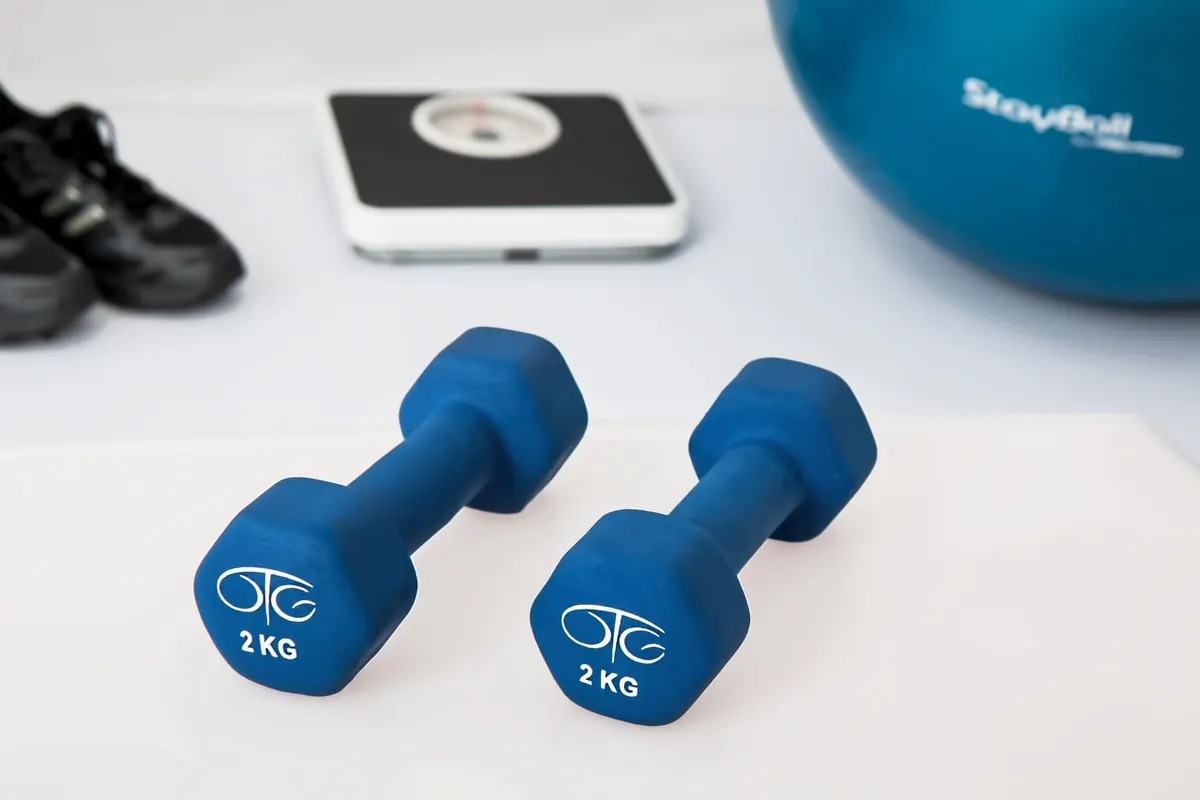
Photo: Михаил Крамор / Pexels
Previous Post
7 Common Mistakes People Make When Stretching for Back Pain
Next Post
What to Expect in the First Two Weeks After Lumbar Disc Surgery