Waiting Lists and Referrals: How to Get NHS Help for Persistent Back Pain
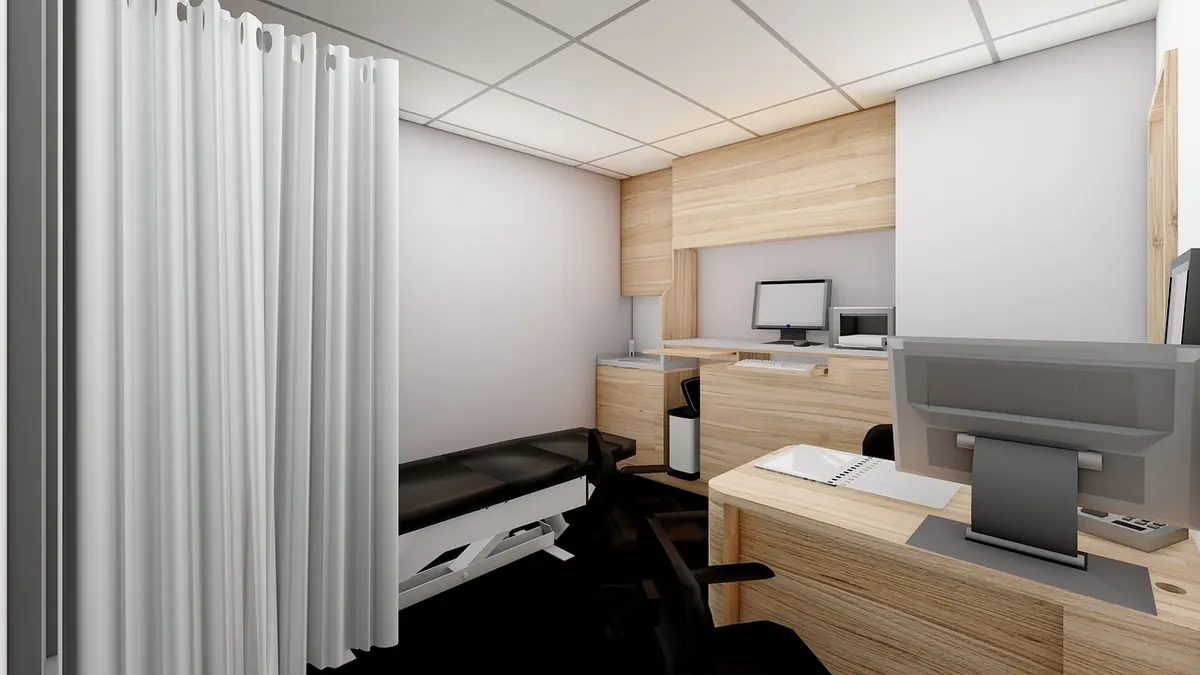
Back pain that lasts for weeks or months is draining in a way that's hard to explain to anyone who hasn't had it. Then there's the admin on top: fitting a GP appointment around work, chasing a referral you're not sure was ever sent, watching the weeks pass while the pain stays much the same. The system isn't built to make this easy, but there are practical things you can do to move your care along and to cope better in the meantime.
Ask for a routine appointment rather than an urgent one. Persistent back pain rarely needs a same-day slot, and a routine appointment usually gives you longer. If your surgery uses an online triage form, fill it in — but be specific. "Nine weeks, I can't sit through a work meeting or sleep on my side" tells a GP far more than "my back hurts".
Before you go, write down:
Then ask two direct questions. First: "Would physiotherapy help, and can I refer myself?" Second, if a referral is being made: "What are you putting in the letter, and how urgent is it?" GPs can mark referrals as routine or urgent, and it's reasonable to ask for a copy of the letter so you know what's been said about you. If appointments make you flustered, take someone with you to take notes.
Physiotherapy is the main treatment for most persistent back pain, and there's often more than one way to get it.
Many areas of the UK let you refer yourself straight to an NHS musculoskeletal (MSK) physiotherapy service, without a GP appointment at all. Search for your town plus "NHS physiotherapy self-referral", check your local trust's website, or simply ask the receptionist at your practice. This route can save weeks.
Plenty of GP surgeries now have a physiotherapist working in the practice, known as a first contact practitioner. Ask reception whether you can book with them directly rather than waiting for a GP slot.
Many MSK services triage referrals. That may mean a phone or video assessment first, a group session, or a guided exercise programme to try at home before you get one-to-one appointments. It isn't a brush-off; it's how services manage demand. Tell them you'll take a short-notice cancellation — that can bring an appointment forward considerably.
Referrals usually go to a hospital orthopaedic or spinal clinic, or to a community MSK service. Ask which service yours is going to, and note the date it was sent.
Some referrals let you book your own appointment through the NHS e-Referral Service, in which case you'll get a letter or text with a booking code — use it promptly. If nothing arrives within a few weeks, ring the hospital's appointments team and ask whether the referral is on their system. If they have no record, ring your GP practice and ask them to resend it. Referrals do occasionally go astray.
In England, you may be able to ask for a different provider under NHS Right to Choose, which applies to most consultant-led elective care. Rules differ in Scotland, Wales and Northern Ireland, so ask your GP what's available where you live.
Waits for spinal and physiotherapy services vary enormously between regions and shift from month to month, so anyone quoting a single figure is guessing. Ask your GP what's typical locally right now, and check your local trust's website, which often publishes current waiting times for specific services.
A few habits make the wait easier to manage:
Waiting doesn't have to be passive. Most of what helps back pain is things you can start this week.
If you can afford private physiotherapy, it can run alongside an NHS wait, but check with the NHS service before assuming your place is safe. Tell your GP about any private treatment so your records stay joined up.
Most back pain isn't dangerous, but some symptoms need same-day assessment. Contact NHS 111 or your GP urgently if you have:
Photo: alfred_rapacon / Pixabay
Previous Post
What to Expect in the First Two Weeks After Lumbar Disc Surgery
Next Post
How to Sit on a Sofa Without Wrecking Your Lower Back