A Beginner's Guide to Walking for Back Pain Relief

If your back has been sore for weeks, the last thing you may feel like doing is going for a walk. Yet walking is one of the few activities almost anyone with ordinary, mechanical back pain can begin today — no equipment, no membership, no complicated programme. The trick is not to walk far or fast, but to walk often enough that movement feels safe, and gently enough that you do not pay for it tomorrow.
Walking does several useful things at once. It takes your spine through a small, repeated range of movement, loading the joints and discs rhythmically instead of leaving them parked in one position. It wakes up the deep muscles around the hips, pelvis and trunk without demanding much strength. It lifts your heart rate slightly, improving blood flow to the tissues you are asking to work. And it gets you out of the chair, which for most people with back pain is half the battle.
It is also easy to dose. Ten minutes and stop is a perfectly respectable session, and that control makes walking a better starting point than a gym class or a run.
Most familiar back pain — the kind that eases when you change position — is fine to walk with. Some symptoms need checking first, though. See a doctor before starting if your pain followed a fall or accident, if you have numbness around the groin or saddle area, weakness in one or both legs, or any change in bladder or bowel control. The same applies to pain that is worse at night and does not ease when you move, or pain alongside fever or unexplained weight loss.
If you are working with a physiotherapist, ask how much walking they would like you to do; a two-minute conversation beats a month of guessing. Wear flat, supportive shoes rather than worn-out plimsolls, and choose a level, even surface for the first few weeks.
Start shorter than you think you need to, then build. A pattern that suits most beginners:
As a rough guide, add about 10 per cent to your total weekly walking time, then hold steady for a week before adding more. If you are unsure, do less.
Time is a better measure than distance at first, because pace varies so much from person to person. Ten minutes twice a day often suits a stiff back better than twenty minutes once: two doses of movement, two chances to loosen off.
Pace should be easy enough to hold a conversation. If you cannot finish a sentence, slow down. If you feel you could keep going all afternoon, that pace is fine for now — you can add time next week.
Frequency matters more than duration. Five short walks across a week will do more for you than one heroic Saturday outing followed by three days on the sofa. Fold them into the day: park at the far end of the car park, walk to the shop, one loop of the block after lunch.
Do not force a military posture. Think tall rather than stiff: eyes forward, shoulders relaxed, arms swinging naturally, knees soft. Let your heel land and roll through to the toes. If you notice you are clenching your jaw or holding your breath, you are trying too hard.
Tarmac and well-packed paths are predictable, which is what you want early on. Cambered pavements, sand and gravel ask more of your back, so save them for when flat walking feels comfortable. Add gentle inclines after a few weeks, not a few days.
This is where most beginners get stuck. Some discomfort during activity is normal and does not mean damage; the question is what kind of discomfort it is.
Generally fine:
Stop and get advice:
If you are unsure which camp you are in, stop, note how long you walked and what you felt, and try a shorter route next time. Those notes are far more useful to a GP or physiotherapist than "it hurt a bit". Symptoms such as loss of bladder or bowel control, numbness in the saddle area or a fever need urgent medical attention rather than another walk.
Some mornings you will wake up stiffer than usual. Scale back rather than stopping: five to ten minutes on flat ground, or a few laps of the garden if the weather is grim. If even that makes things worse, rest that day and try again tomorrow. Back pain rarely improves in a straight line, and a two-steps-forward, one-step-back week is normal.
Consistency beats intensity every time. Same time, same route, shoes by the door. Attach the walk to something you already do — after breakfast, after the school run, before the evening news. Keep track with ticks on a calendar rather than obsessing over step counts.
Give it four to six weeks before you judge whether it is helping. Change tends to be gradual and uneven, and the weeks when nothing seems different are often the ones doing the work.
This is general information, not personal medical advice. If your pain lasts more than a few weeks, gets worse, or you are simply not sure, speak to your GP or a chartered physiotherapist before pushing on.
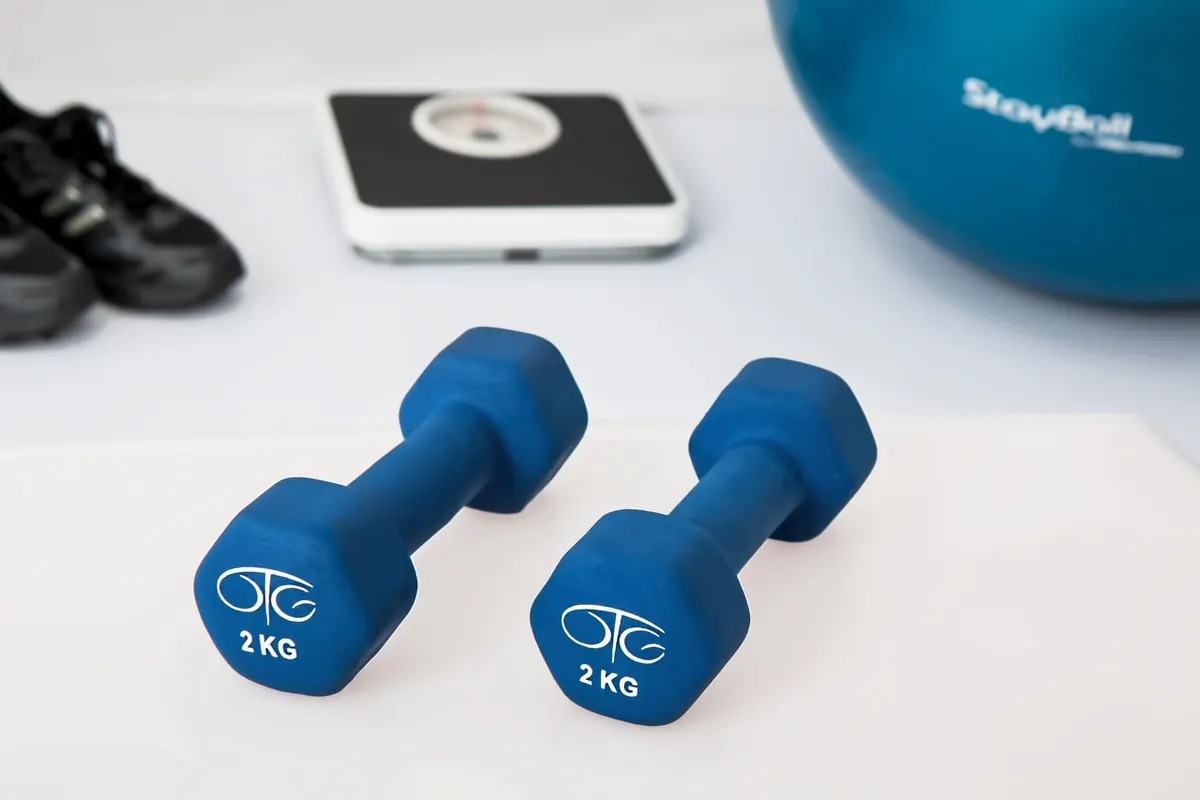
Photo: Surprising_Media / Pixabay
Previous Post
Physiotherapy vs Chiropractic for Low Back Pain: What the Evidence Says
Next Post
7 Common Mistakes People Make When Stretching for Back Pain